
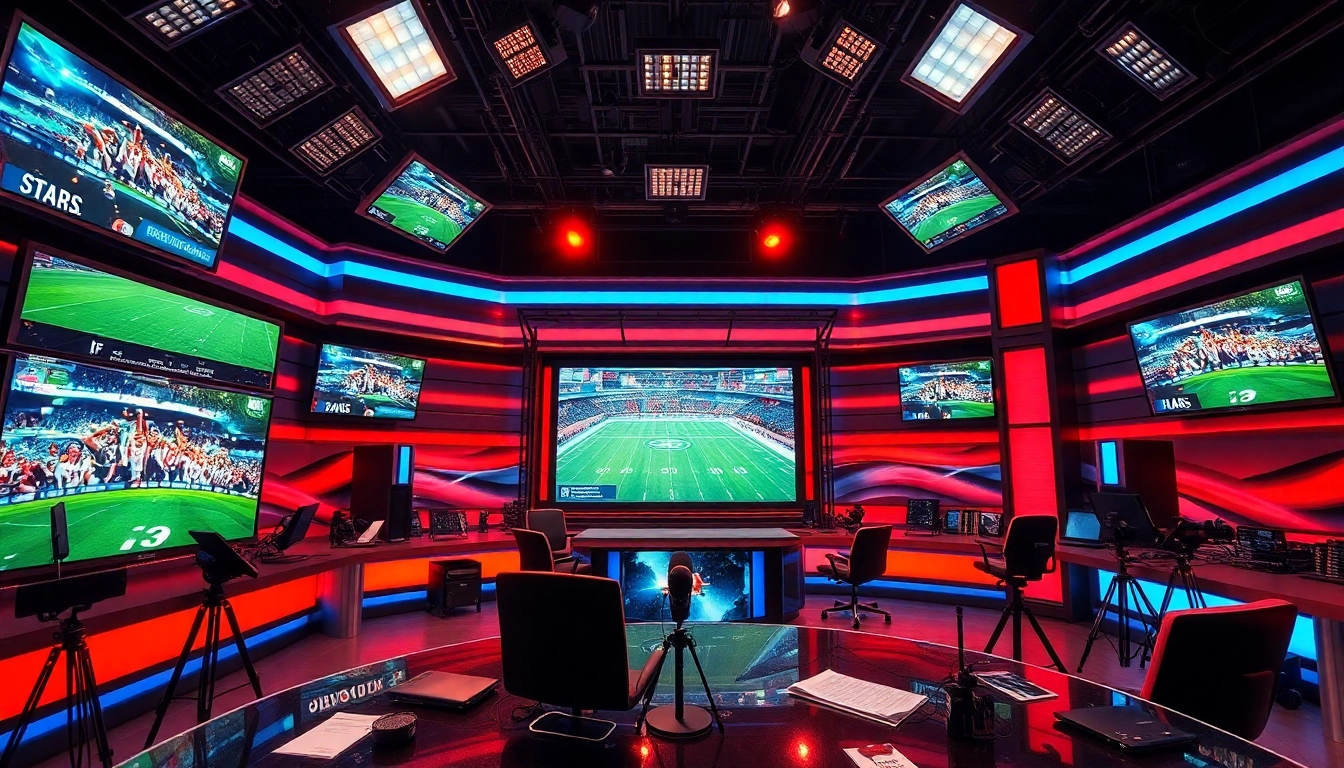
Sports broadcasting is a vital aspect of the sports industry, playing a significant role in how fans engage with their favorite teams and athletes. The landscape of Sports Broadcasting has undergone rapid transformation, driven by technological advancements and shifts in viewer behavior. As the demand for flexibility and accessibility increases, understanding the evolution, formats, challenges, and future trends within sports broadcasting becomes crucial for both industry professionals and viewers alike. This comprehensive guide delves deep into these aspects, offering valuable insights for anyone interested in sports media.
The Evolution of Sports Broadcasting
From Traditional Media to Digital Platforms
The journey of sports broadcasting began with traditional media, where radio and television were the primary channels through which fans accessed live sporting events. Radio broadcasts started gaining popularity in the early 20th century, providing real-time audio commentary of games. The advent of television revolutionized sports broadcasting by adding a visual element, allowing fans to witness the excitement of live events from the comfort of their homes.
However, the rapid advancement of technology has led to a significant shift from these traditional platforms to digital ones. The proliferation of the internet and the rise of mobile devices have given rise to a multitude of streaming services and online channels that have redefined how fans consume sports content. Platforms like social media, video-on-demand services, and mobile apps allow fans to engage with sports content anytime and anywhere, marking a pivotal shift in the broadcasting paradigm.
Impact of Technology on Sports Broadcasting
Technology has played a transformative role in enhancing the quality and accessibility of sports broadcasts. High-definition (HD) and ultra-high-definition (UHD) formats have set new standards for visual quality, making the viewing experience richer and more immersive. Additionally, innovations such as 5G networks enable faster data transmission, allowing for high-quality streaming on mobile devices without buffering or interruptions.
Moreover, technologies such as augmented reality (AR) and virtual reality (VR) are beginning to enter the realm of sports broadcasting, providing fans with unique experiences and perspectives that were previously unimaginable. Enhanced graphics, real-time statistics, and interactive features give viewers more control over their experience, catering to the evolving expectations of today’s audiences.
Key Milestones in Sports Broadcasting History
Several key milestones have shaped the history of sports broadcasting. The first-ever radio broadcast of a sporting event occurred in 1921, bringing the excitement of live sports to audiences nationwide. The introduction of color television in the 1960s transformed how viewers experienced sports, making the broadcasts more vibrant and engaging. The first satellite broadcast of a sporting event took place in the 1970s, bridging gaps in global coverage.
The launch of cable television further expanded the reach of sports networks, followed by the birth of ESPN in the late 1970s, which dedicated itself solely to sports coverage. More recently, the emergence of the internet catalyzed a revolution in broadcasting, with platforms like YouTube, Twitch, and various sports streaming services providing new avenues for content dissemination.
Formats of Sports Broadcasting
Live Broadcasts vs. Highlights
One of the most significant formats in sports broadcasting is live broadcasting, which offers fans the thrill of experiencing events as they unfold. Live broadcasts create a sense of urgency and real-time engagement, often accompanied by expert commentary that enhances viewer understanding and enjoyment of the game. High-stakes events such as championship games typically attract millions of viewers, making live broadcasts a cornerstone of sports media.
On the other hand, highlights serve a different purpose, capturing key moments and pivotal plays from games. Highlights are particularly valuable for viewers who may not have the time to watch an entire game. They offer condensed versions of sporting events that still convey the excitement and essential outcomes, making highlights an integral part of the sports ecosystem.
On-Demand Streaming Services
The rise of on-demand streaming services has profoundly changed how viewers access sports content. Platforms like Hulu, Amazon Prime, and dedicated sports networks allow fans to watch games, documentaries, and other sports-related content at their convenience. This flexibility caters to the increasingly busy lifestyles of viewers, who may prefer to watch games on their schedules rather than adhering to traditional broadcasting times.
Moreover, these platforms often provide personalized experiences through tailored recommendations and the ability to watch replays, making the overall viewing experience more engaging. With the growth of subscription-based models, sports organizations and broadcasters also benefit from predictable revenue streams.
Radio and Podcasting in Sports
While visual broadcasting dominates, radio remains an enduring format in sports broadcasting. Radio broadcasts allow for real-time commentary and analysis, helping fans keep up with their teams while on the go. The auditory nature of radio encourages imagination and engages listeners in a unique way, making it a valuable medium in the sports landscape.
In recent years, podcasting has emerged as an influential format within sports broadcasting. Podcasts provide a platform for in-depth discussions, interviews with athletes, and expert analyses that can be consumed at listeners’ convenience. The growth of podcasting in the sports world has allowed fans to delve deeper into topics they are passionate about, creating communities around shared interests.
Challenges Facing Sports Broadcasting
Adapting to Viewer Preferences
The shift towards digital platforms and on-demand content has created significant challenges in adapting to changing viewer preferences. Audiences now expect flexibility and control over their viewing experiences, pushing broadcasters to innovate and enhance their offerings continually. The demand for personalized content, such as tailored highlights or specific team updates, requires broadcasters to leverage data analytics to understand audience behavior better and cater to their preferences.
Additionally, the increasing fragmentation of viewership across multiple platforms can complicate audience engagement strategies, requiring broadcasters to craft integrated marketing approaches to reach diverse demographics with different preferences.
Content Monetization Strategies
As the landscape of broadcasting evolves, monetizing content has become a pressing concern for sports broadcasters. Traditional advertising models are increasingly becoming ineffective due to ad fatigue and viewer resistance toward interruptions during live events. Broadcasters must now explore alternative monetization strategies, such as subscription-based models that offer ad-free experiences or premium content.
Investing in licensing deals for exclusive content is another strategy, as viewers are often willing to pay for access to unique events or behind-the-scenes coverage that they can’t find elsewhere. The challenge lies in balancing monetization with viewer satisfaction to create sustainable revenue streams.
Navigating Legal Regulations
Legal regulations represent another challenge in the sports broadcasting domain, particularly concerning copyright issues and licensing agreements. Broadcasters must navigate complex rules governing the usage of content, especially as live streaming becomes more popular. International broadcasting rights vary significantly, complicating global outreach for sports leagues and networks.
Staying compliant with these regulations is crucial, as any violations can lead to significant fines and reputational damage. Therefore, having a thorough understanding of local and international regulations is essential for broadcasters aiming to expand their reach while adhering to legal standards.
Best Practices in Sports Broadcasting
Enhancing Viewer Engagement Through Interactivity
To maintain viewer interest in an age of abundant content options, broadcasters must implement best practices that enhance engagement. Interactive elements such as live polls, Q&A sessions with commentators, and gamified experiences can significantly boost viewer involvement. By allowing audiences to participate actively in broadcasts, they feel more connected to the event and invested in its outcome.
Additionally, real-time social media engagement during broadcasts fosters a community atmosphere and encourages viewers to share their thoughts, leading to a richer experience for everyone involved.
Leveraging Social Media for Wider Reach
Social media platforms are invaluable tools for sports broadcasters seeking to expand their reach and engage with audiences. By creating shareable content, live-tweeting during events, and participating in discussions, broadcasters can attract and retain viewers who may not be traditionally tuned into live broadcasts. Utilizing hashtags and collaborations with popular influencers can also amplify visibility.
Moreover, social media provides a space for broadcasters to receive instant feedback, allowing them to adjust their strategies and content offerings in real-time to meet audience demands successfully.
Maintaining High-Quality Production Standards
High-quality production standards are non-negotiable in sports broadcasting. Viewers expect professional-grade visuals and high-definition audio, especially for live events that define the brand of a league or organization. Investing in top-tier equipment, skilled production teams, and post-production processes enhances the overall viewing experience.
Consistency in production quality also reflects a broadcaster’s commitment to excellence, which can foster viewer loyalty over time. Prioritizing training for staff and regularly updating technology ensures that high standards are met.
Future Trends in Sports Broadcasting
Integration of Augmented and Virtual Reality
As technology continues to evolve, the integration of augmented reality (AR) and virtual reality (VR) in sports broadcasting is poised to create unprecedented experiences for audiences. AR can enhance live broadcasts by overlaying graphics and statistics on screens, providing viewers with real-time data without intrusive interruptions.
Meanwhile, VR offers unprecedented levels of immersion, allowing fans to “attend” games virtually. These technologies not only enhance viewer engagement but also open new avenues for monetization through unique premium viewing experiences.
Data Analytics in Fan Experience Enhancement
Data analytics is becoming increasingly important in understanding audience preferences and enhancing the overall fan experience. By collecting and analyzing viewer data, broadcasters can tailor content, optimize schedules, and improve marketing strategies that resonate with specific audience segments.
Ultimately, leveraging data-driven approaches leads to more personalized viewing experiences, fostering fan loyalty and increasing engagement across numerous demographics.
Emerging Markets and Global Broadcasting Opportunities
Emerging markets present new opportunities for broadcasters to expand their reach and engage with untapped audiences. As internet access and digital technology proliferate in various regions, sports broadcasters can explore partnerships and content offerings that cater to local preferences and sports culture.
Global events often spur interest in certain sports, creating unique opportunities for broadcasters to capitalize on emerging fan bases. By tailoring marketing strategies and content offerings to diverse cultures, sports organizations can significantly boost their viewership and revenue streams.
Frequently Asked Questions
What is the role of technology in sports broadcasting?
Technology enhances viewer experience with high-definition graphics, real-time stats, and interactive features, transforming how fans engage with events.
How do social media platforms influence sports broadcasting?
Social media expands reach, facilitates real-time engagement, and offers additional viewing opportunities, often driving audience growth and connection.
What challenges do sports broadcasters face?
Challenges include meeting viewer expectations, adapting to tech changes, and navigating licensing agreements and ever-evolving legal regulations.
What future trends are shaping sports broadcasting?
Key trends include AI integration, AR and VR enhancements, and personalized content delivery, catering to diverse viewer preferences and experiences.
How can broadcasters enhance viewer engagement?
Broadcasters can improve engagement by incorporating interactive features, using social media for feedback, and creating immersive viewing experiences.